
Shelby County Probable-Cause Process
Tennessee law and criminal procedure require a legal basis before a judge or magistrate issues an arrest warrant. T.C.A. § 40-6-205 is a statutory reference, while Rule 4 covers arrest-warrant procedure. A sworn complaint or affidavit supplies facts for judicial review; an officer does not issue the signed order.
The Tennessee criminal rules explain the process. For a specific case, ask the issuing clerk what document was filed and whether supporting papers are public.
The District Attorney’s case-information page routes visitors among the Criminal Court Clerk, Sheriff resources, and case portal.
That page helps identify the right case channel; it does not confirm an active warrant.
Arrest Warrants in Shelby County
A Shelby County arrest warrant is a signed judicial order authorizing law enforcement to take a named person into custody. It differs from a summons, which directs an appearance, and from a bench warrant tied to a court obligation. The court record identifies the process and the case to which it belongs.
For an affidavit-based request, a sworn complaint or affidavit is reviewed by a judge or magistrate. The exact papers available depend on the case and any access restriction.
Shelby County Case Numbers Need Context
Criminal Court case numbers help the clerk locate a felony or indicted matter. The county says post-November 5, 2016 Odyssey numbers begin with C, then a two-digit year and five sequence digits; legacy numbers vary. The warrant-card number is a separate field, so quote the label attached to each number.
The Criminal Court Clerk’s page lists case-number information and a phone route. General Sessions files use a separate clerk and docket.

The court page identifies the felony and indicted-case clerk, not a public warrant result.
What a Shelby County Arrest Warrant Contains
A court warrant document can show the issuing court, named person, offense, date, bond terms, and return of service. Shelby County’s blank Chancery form also includes initial-appearance and Sheriff-return fields. It is a schema example, not a universal template for every criminal warrant.
| Warrant Number | Copy the number as shown on the card: as printed on card. |
|---|---|
| Named Subject | The person whom the order directs law enforcement to take into custody. |
| Charge / Offense | Ask the issuing clerk for the current case description. |
| Issuing Judge / Court | Identifies which court controls appearance, bond, and recall. |
| Bond / Bail Set | Confirm current amount and conditions with Jail Information or the court. |
| Date Issued | May differ from a service attempt or booking date. |
Shelby County Serving and Verification
The Sheriff’s Fugitive Division says its field officers execute warrants and its Warrant Room answers public questions. The portal tells readers not to detain anyone and directs a person who sees their own name to call 901-222-5627 for status and surrender instructions. SCSO says it can help with transportation when needed.
The county’s official Sheriff page identifies the current office; some linked directory pages may lag a leadership change.
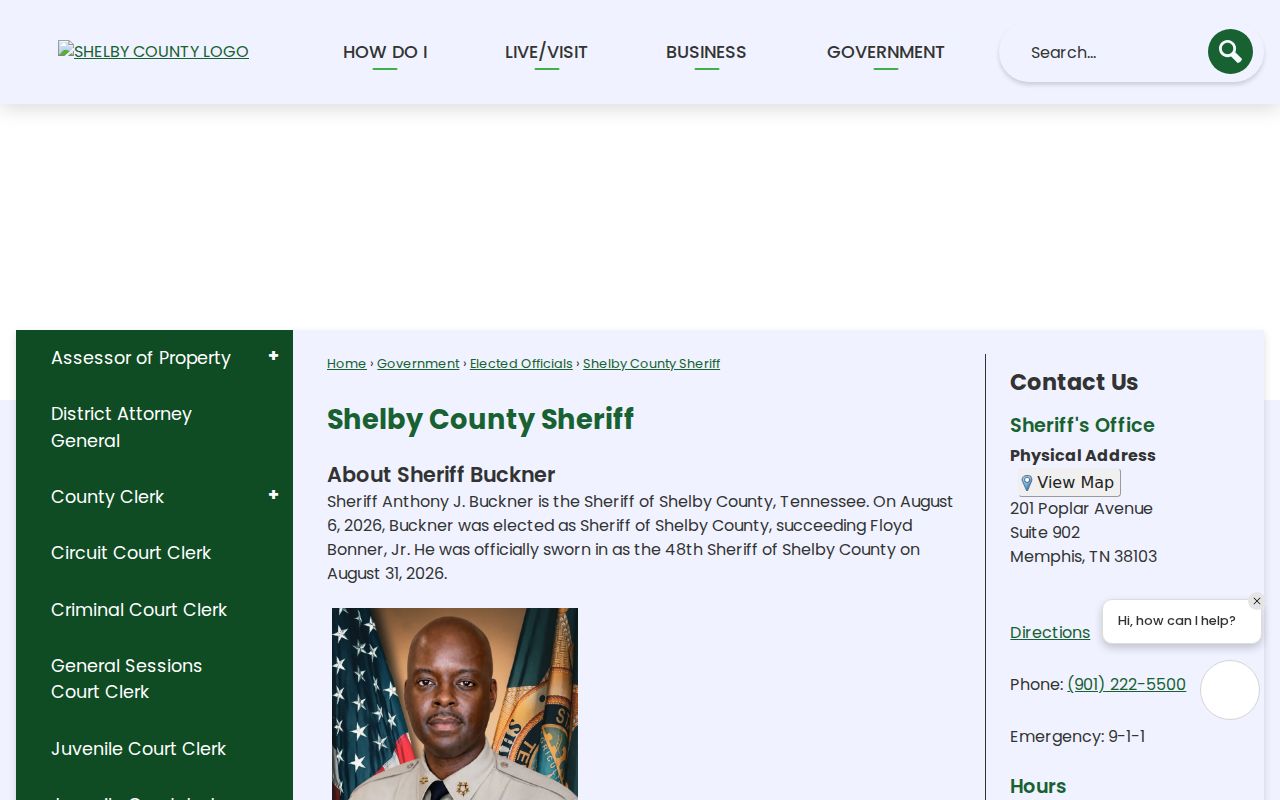
This county page establishes office context; use the Fugitive Bureau for an individual status check.
The Sheriff page distinguishes warrant verification from court action. Only the issuing court can recall or quash the order.
How Arrest Warrants Are Served
SCSO Fugitive officers serve sheriff-handled warrants within Shelby County. Municipal police may serve city process and make arrests within their jurisdiction. The court issues the order; officers confirm identity and follow instructions from the issuing agency. Germantown’s written procedure, for example, describes agency pickup, a boundary meeting, or transport to the issuing agency.
After an arrest, jail staff can provide booking, bond, and court-date information. The judge or court controls the bond order; a web page cannot confirm its current terms.
Shelby County Jail Information Route
Jail Information at 901-222-4703 handles current charge, bond, and court-date questions when a person is in custody. The Sheriff’s published jail FAQ describes bond transactions through a separate 24-hour clerk office. Confirm the correct location and accepted payment before traveling.
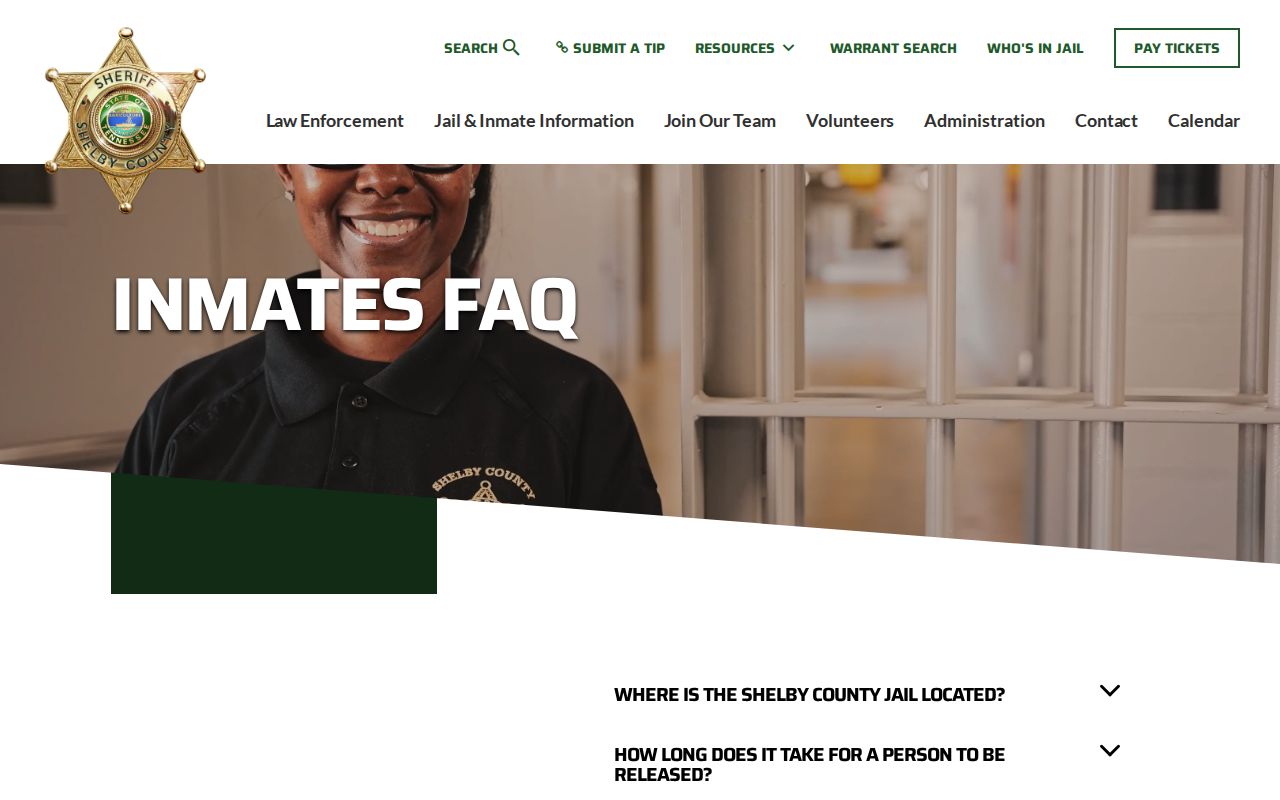
The FAQ gives administrative context for people already in custody; it is not a substitute for the court’s warrant order.
Arrest Warrant vs Summons vs Bench Warrant
An arrest warrant authorizes custody after probable-cause review. A summons tells a person to appear, while a bench warrant typically follows a court obligation. Rule 9 covers criminal summons and capias process after indictment in specified circumstances. Ask the issuing clerk what the docket shows. See Shelby County bench warrants for missed-date process.
| Feature | Arrest Warrant | Summons | Bench Warrant |
|---|---|---|---|
| What It Orders | Arrest and production in court | Appearance at a stated time | Custody tied to a court obligation |
| Basis | Probable cause reviewed by a judge | Charging process allowing appearance | Missed appearance or failure to comply |
| Who Issues It | Judge or magistrate | Court process under Rule 9 | Judge in the underlying case |
| How to Respond | Confirm status and ask counsel about bond | Follow the notice and contact the clerk | Ask court about recall or a new setting |
Shelby County Juvenile and Federal Limits
Juvenile matters have special confidentiality rules, and search warrants under Rule 41 may be sealed. Federal warrants belong to the Western District of Tennessee and U.S. Marshals. A Shelby County no-match does not resolve a federal or out-of-state matter.
For juvenile access, contact the Juvenile Court Clerk. For federal process, use the Western District of Tennessee.
What to Do If There Is a Warrant for You
If you think an arrest warrant names you, call the Fugitive Bureau to verify status and ask about surrender instructions before appearing. Ask which court issued it and whether counsel should arrange surrender, address bond, or seek a recall or quash. The judge controls the legal outcome; a phone call or payment receipt does not cancel the order.
Important: Verify the entry with SCSO and the issuing court, then get legal advice before arranging surrender or bond.